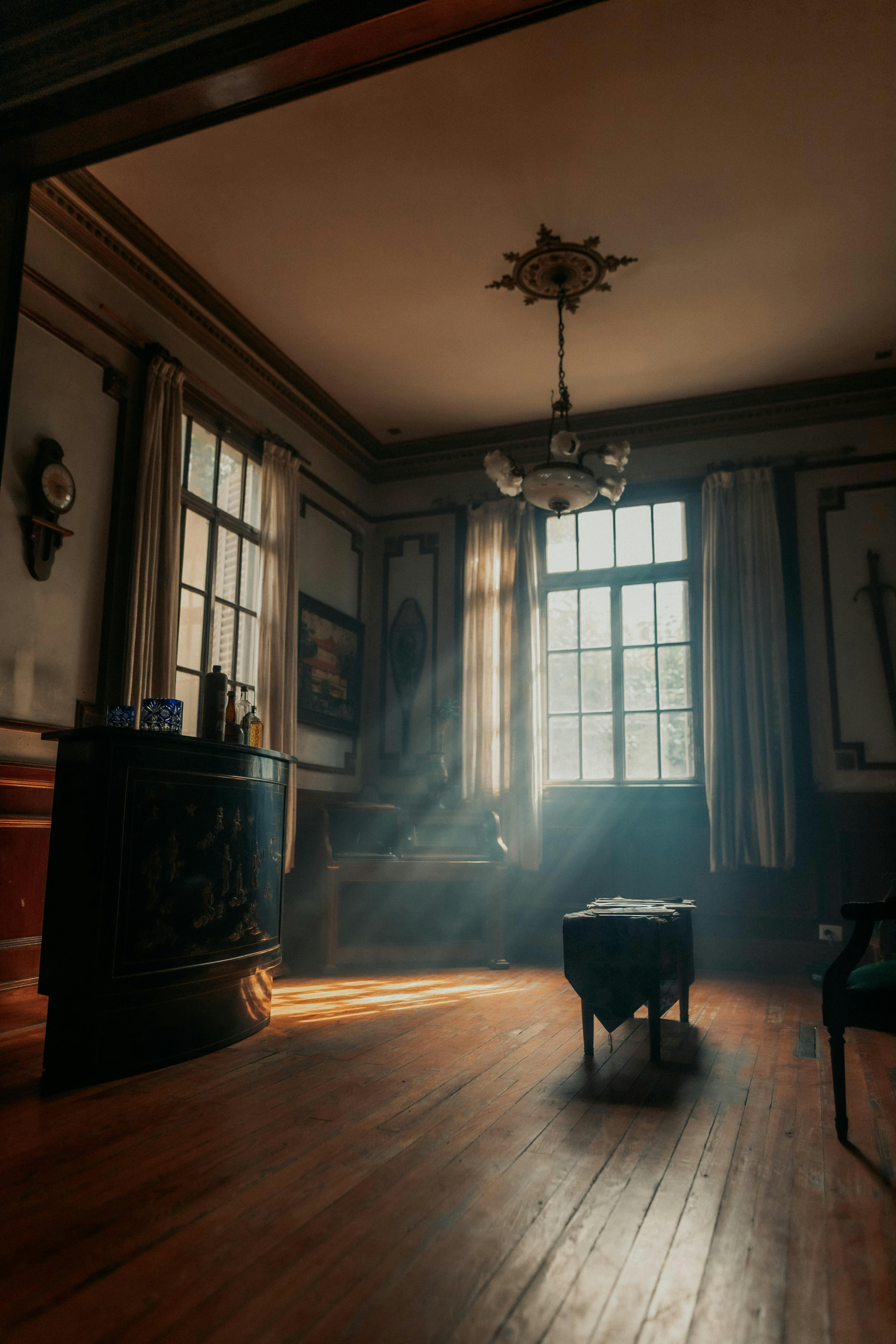
The Psychology Behind Spaces That Feel Alive
Why Your Home's Energy Matters More Than Its Instagram Appeal
Have you ever walked into a space and immediately felt at peace? Or entered a beautifully designed room that somehow left you feeling empty despite its visual perfection?
There's a reason some homes feel alive while others, despite their Pinterest-worthy aesthetics, feel hollow. The difference isn't just in the furniture placement or color coordination—it's in the energy, the aura, the consciousness behind the design.
The Science of Space Psychology
Modern neuroscience confirms what ancient wisdom traditions have known for millennia: our environments profoundly shape our mental and emotional states. Research from UCLA shows that people can sense the "energy" of a space within 90 seconds of entering, affecting everything from stress hormones to creative thinking.
Dr. Sally Augustin, a pioneer in neuroarchitecture, found that certain design elements trigger specific brain responses:
Natural light patterns reduce cortisol by 23%
Organic shapes increase focus and calm
Intentional color placement affects mood regulation
Spatial flow impacts decision-making clarity
But here's what most interior designers miss: these elements only work when they're chosen with deep understanding of who lives in the space.
Ancient Wisdom Meets Modern Living
Vastu Shastra, the 5,000-year-old Indian science of architecture, understood something crucial: homes should enhance the occupant's natural energy, not fight against it. This isn't about following rigid rules—it's about creating harmony between person and place.
At Auro, we've discovered that the most transformative interiors happen when we blend this ancient understanding with contemporary psychology and personal storytelling.
Take our recent project in Mysuru's Vijaynagar. The client, a tech executive, felt perpetually restless in his beautifully furnished home. The issue wasn't the expensive Italian furniture—it was that nothing reflected his journey, his values, or supported his lifestyle rhythms.
We didn't redecorate. We re-energized.
Beyond Instagram: Designing for Life, Not Likes
Social media has trained us to value visual impact over lived experience. The result? Homes that photograph beautifully but feel sterile to inhabit.
The psychology of truly alive spaces operates on different principles:
Intentionality Over Trends: Every element serves a purpose beyond appearance—supporting sleep, inspiring creativity, encouraging connection, or creating retreat.
Personal Resonance Over Universal Appeal: Spaces reflect the occupant's story, not a designer's signature style. A well-traveled couple needs different energy than growing parents or contemplative artists.
Sensory Depth Over Visual Perfection: Texture, scent, acoustics, and even air quality contribute more to feeling alive than any single visual element.
Evolution Over Completion: Living spaces grow with their inhabitants. The most alive homes have room for change, discovery, and deeper self-expression over time.
The Transformation Stories
Priya and Rajesh, a Bangalore couple building their weekend retreat in Mysuru, initially wanted something "impressive for guests." After our consciousness-based design process, they realized they needed something that helped them reconnect—with each other and their authentic selves away from corporate pressures.
The result? A space where they actually want to spend time, not just show off. Their grown children now visit more often. Business partnerships have emerged from peaceful conversations in their redesigned living area. The home became a catalyst for the life they actually wanted, not the image they thought they needed.
Creating Your Own Living Space
Whether you're building new or refreshing existing interiors, consider these consciousness-based principles:
Start with feeling, not features: How do you want to feel in each space? Energized? Peaceful? Creative? Connected?
Honor your rhythms: Are you a morning person who needs eastern light? Do you work better in enclosed studies or open spaces?
Include your story: What objects, textures, or colors connect you to meaningful memories or aspirations?
Plan for growth: How might your needs evolve? Good design accommodates life's changes.
Trust your instincts: If a space doesn't feel right, it isn't right—regardless of how "correct" it looks.
The Auro Approach
At Auro Interiors, we don't just design spaces—we awaken them. Our process begins not with mood boards, but with understanding your unique consciousness, lifestyle, and aspirations.
Because when your space truly supports who you are and who you're becoming, it doesn't just look beautiful—it feels alive.
Ready to discover what your space could feel like? Let's create interiors that awaken your best life.
The Psychology Behind Spaces That Feel Alive
Why Your Home's Energy Matters More Than Its Instagram Appeal
Have you ever walked into a space and immediately felt at peace? Or entered a beautifully designed room that somehow left you feeling empty despite its visual perfection?
There's a reason some homes feel alive while others, despite their Pinterest-worthy aesthetics, feel hollow. The difference isn't just in the furniture placement or color coordination—it's in the energy, the aura, the consciousness behind the design.
The Science of Space Psychology
Modern neuroscience confirms what ancient wisdom traditions have known for millennia: our environments profoundly shape our mental and emotional states. Research from UCLA shows that people can sense the "energy" of a space within 90 seconds of entering, affecting everything from stress hormones to creative thinking.
Dr. Sally Augustin, a pioneer in neuroarchitecture, found that certain design elements trigger specific brain responses:
Natural light patterns reduce cortisol by 23%
Organic shapes increase focus and calm
Intentional color placement affects mood regulation
Spatial flow impacts decision-making clarity
But here's what most interior designers miss: these elements only work when they're chosen with deep understanding of who lives in the space.
Ancient Wisdom Meets Modern Living
Vastu Shastra, the 5,000-year-old Indian science of architecture, understood something crucial: homes should enhance the occupant's natural energy, not fight against it. This isn't about following rigid rules—it's about creating harmony between person and place.
At Auro, we've discovered that the most transformative interiors happen when we blend this ancient understanding with contemporary psychology and personal storytelling.
Take our recent project in Mysuru's Vijaynagar. The client, a tech executive, felt perpetually restless in his beautifully furnished home. The issue wasn't the expensive Italian furniture—it was that nothing reflected his journey, his values, or supported his lifestyle rhythms.
We didn't redecorate. We re-energized.
Beyond Instagram: Designing for Life, Not Likes
Social media has trained us to value visual impact over lived experience. The result? Homes that photograph beautifully but feel sterile to inhabit.
The psychology of truly alive spaces operates on different principles:
Intentionality Over Trends: Every element serves a purpose beyond appearance—supporting sleep, inspiring creativity, encouraging connection, or creating retreat.
Personal Resonance Over Universal Appeal: Spaces reflect the occupant's story, not a designer's signature style. A well-traveled couple needs different energy than growing parents or contemplative artists.
Sensory Depth Over Visual Perfection: Texture, scent, acoustics, and even air quality contribute more to feeling alive than any single visual element.
Evolution Over Completion: Living spaces grow with their inhabitants. The most alive homes have room for change, discovery, and deeper self-expression over time.
The Transformation Stories
Priya and Rajesh, a Bangalore couple building their weekend retreat in Mysuru, initially wanted something "impressive for guests." After our consciousness-based design process, they realized they needed something that helped them reconnect—with each other and their authentic selves away from corporate pressures.
The result? A space where they actually want to spend time, not just show off. Their grown children now visit more often. Business partnerships have emerged from peaceful conversations in their redesigned living area. The home became a catalyst for the life they actually wanted, not the image they thought they needed.
Creating Your Own Living Space
Whether you're building new or refreshing existing interiors, consider these consciousness-based principles:
Start with feeling, not features: How do you want to feel in each space? Energized? Peaceful? Creative? Connected?
Honor your rhythms: Are you a morning person who needs eastern light? Do you work better in enclosed studies or open spaces?
Include your story: What objects, textures, or colors connect you to meaningful memories or aspirations?
Plan for growth: How might your needs evolve? Good design accommodates life's changes.
Trust your instincts: If a space doesn't feel right, it isn't right—regardless of how "correct" it looks.
The Auro Approach
At Auro Interiors, we don't just design spaces—we awaken them. Our process begins not with mood boards, but with understanding your unique consciousness, lifestyle, and aspirations.
Because when your space truly supports who you are and who you're becoming, it doesn't just look beautiful—it feels alive.
Ready to discover what your space could feel like? Let's create interiors that awaken your best life.
The Psychology Behind Spaces That Feel Alive
Why Your Home's Energy Matters More Than Its Instagram Appeal
Have you ever walked into a space and immediately felt at peace? Or entered a beautifully designed room that somehow left you feeling empty despite its visual perfection?
There's a reason some homes feel alive while others, despite their Pinterest-worthy aesthetics, feel hollow. The difference isn't just in the furniture placement or color coordination—it's in the energy, the aura, the consciousness behind the design.
The Science of Space Psychology
Modern neuroscience confirms what ancient wisdom traditions have known for millennia: our environments profoundly shape our mental and emotional states. Research from UCLA shows that people can sense the "energy" of a space within 90 seconds of entering, affecting everything from stress hormones to creative thinking.
Dr. Sally Augustin, a pioneer in neuroarchitecture, found that certain design elements trigger specific brain responses:
Natural light patterns reduce cortisol by 23%
Organic shapes increase focus and calm
Intentional color placement affects mood regulation
Spatial flow impacts decision-making clarity
But here's what most interior designers miss: these elements only work when they're chosen with deep understanding of who lives in the space.
Ancient Wisdom Meets Modern Living
Vastu Shastra, the 5,000-year-old Indian science of architecture, understood something crucial: homes should enhance the occupant's natural energy, not fight against it. This isn't about following rigid rules—it's about creating harmony between person and place.
At Auro, we've discovered that the most transformative interiors happen when we blend this ancient understanding with contemporary psychology and personal storytelling.
Take our recent project in Mysuru's Vijaynagar. The client, a tech executive, felt perpetually restless in his beautifully furnished home. The issue wasn't the expensive Italian furniture—it was that nothing reflected his journey, his values, or supported his lifestyle rhythms.
We didn't redecorate. We re-energized.
Beyond Instagram: Designing for Life, Not Likes
Social media has trained us to value visual impact over lived experience. The result? Homes that photograph beautifully but feel sterile to inhabit.
The psychology of truly alive spaces operates on different principles:
Intentionality Over Trends: Every element serves a purpose beyond appearance—supporting sleep, inspiring creativity, encouraging connection, or creating retreat.
Personal Resonance Over Universal Appeal: Spaces reflect the occupant's story, not a designer's signature style. A well-traveled couple needs different energy than growing parents or contemplative artists.
Sensory Depth Over Visual Perfection: Texture, scent, acoustics, and even air quality contribute more to feeling alive than any single visual element.
Evolution Over Completion: Living spaces grow with their inhabitants. The most alive homes have room for change, discovery, and deeper self-expression over time.
The Transformation Stories
Priya and Rajesh, a Bangalore couple building their weekend retreat in Mysuru, initially wanted something "impressive for guests." After our consciousness-based design process, they realized they needed something that helped them reconnect—with each other and their authentic selves away from corporate pressures.
The result? A space where they actually want to spend time, not just show off. Their grown children now visit more often. Business partnerships have emerged from peaceful conversations in their redesigned living area. The home became a catalyst for the life they actually wanted, not the image they thought they needed.
Creating Your Own Living Space
Whether you're building new or refreshing existing interiors, consider these consciousness-based principles:
Start with feeling, not features: How do you want to feel in each space? Energized? Peaceful? Creative? Connected?
Honor your rhythms: Are you a morning person who needs eastern light? Do you work better in enclosed studies or open spaces?
Include your story: What objects, textures, or colors connect you to meaningful memories or aspirations?
Plan for growth: How might your needs evolve? Good design accommodates life's changes.
Trust your instincts: If a space doesn't feel right, it isn't right—regardless of how "correct" it looks.
The Auro Approach
At Auro Interiors, we don't just design spaces—we awaken them. Our process begins not with mood boards, but with understanding your unique consciousness, lifestyle, and aspirations.
Because when your space truly supports who you are and who you're becoming, it doesn't just look beautiful—it feels alive.
Ready to discover what your space could feel like? Let's create interiors that awaken your best life.